
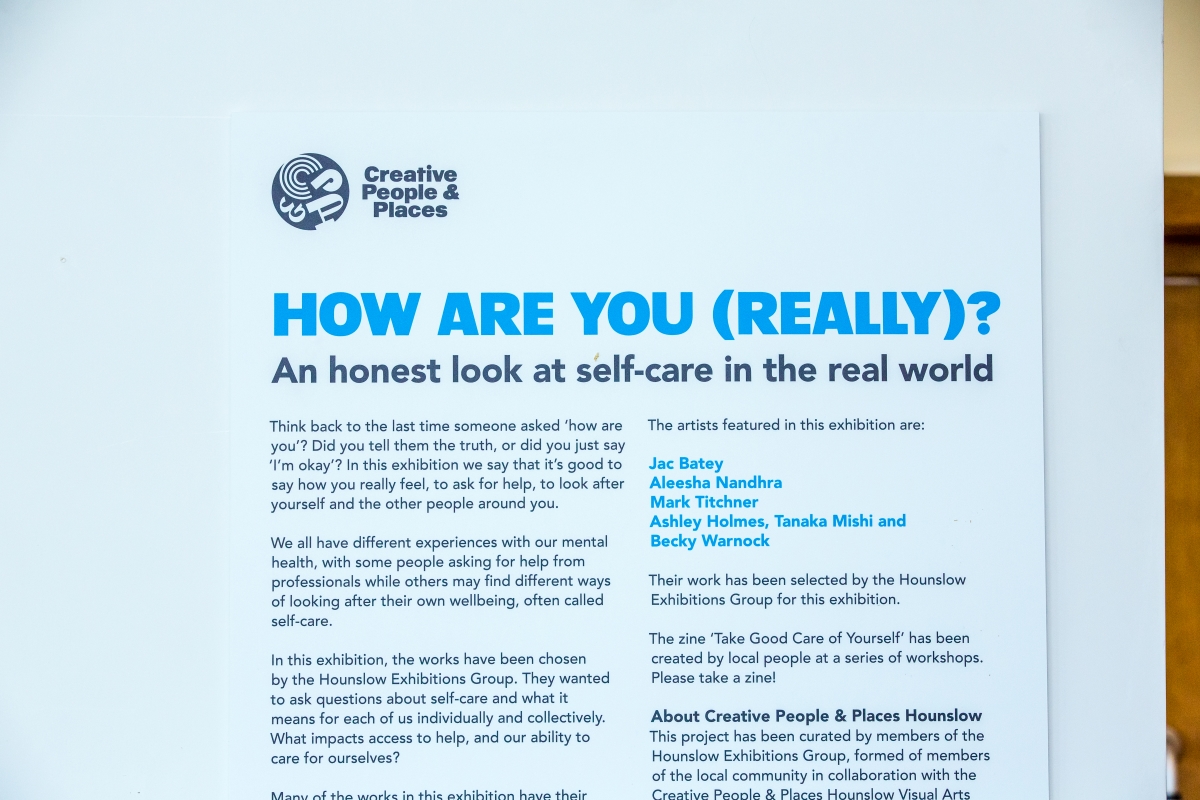
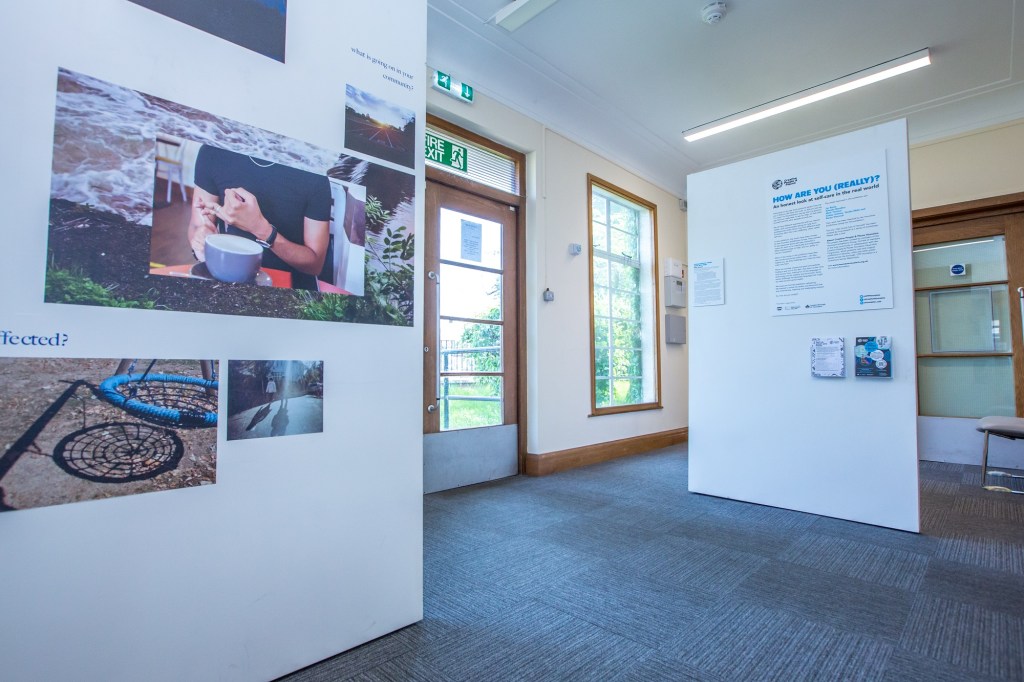

Think back to the last time someone asked ‘how are you’? Did you tell them the truth, or did you just say ‘I’m okay’? In this exhibition, we say, it’s good to say how you really feel, to ask for help, to look after yourself and the other people around you.
We all have different experiences with our mental health, with some people asking for help from professionals while others may find different ways of looking after their own wellbeing, often called self-care.
In this exhibition, the works have been chosen by the Hounslow Exhibitions Group. They wanted to ask questions about self-care and what it means for each of us individually and collectively. What are the social conditions that affect us, and our access to help, and our ability to care for ourselves?
Many of the works in this exhibition have their own words and stories within them – do they inspire you, do they challenge you? How does it make you feel?
There are touches of personal grief and sadness, finding a way out of the dark, but there is also irony and humour here, making fun of the language of technology and modern systems. Some works challenge the sanitised language that might be used around mental health.
We hope you find this exhibition refreshing. We wanted to avoid the cliché, and find work that was entertaining, inspiring and challenging instead.
So, how are you (really)?
About the artworks in the exhibition:
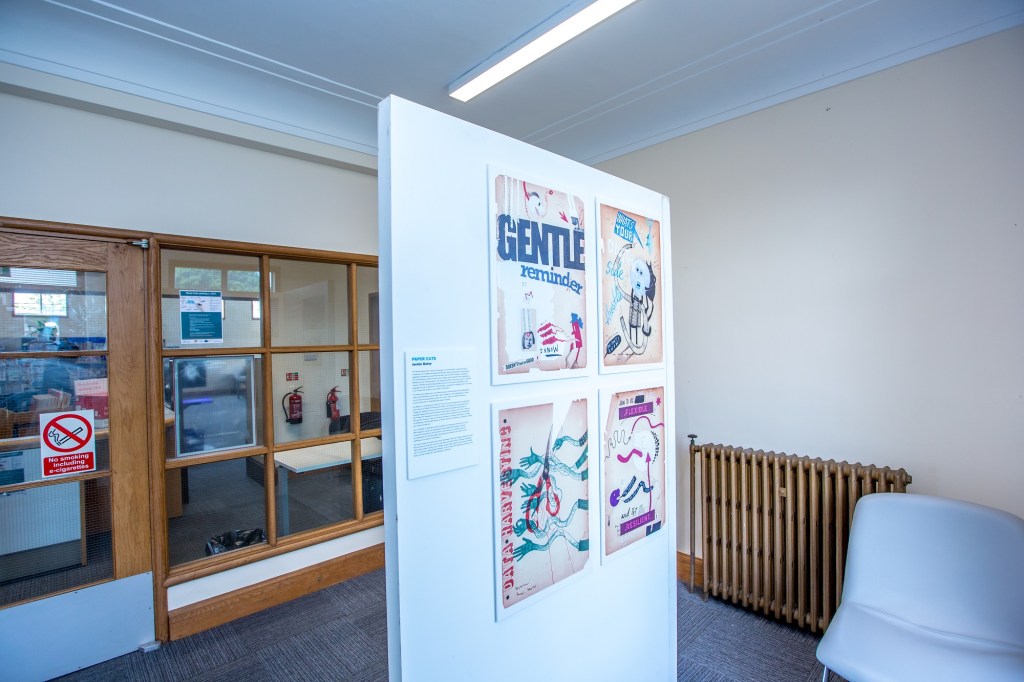
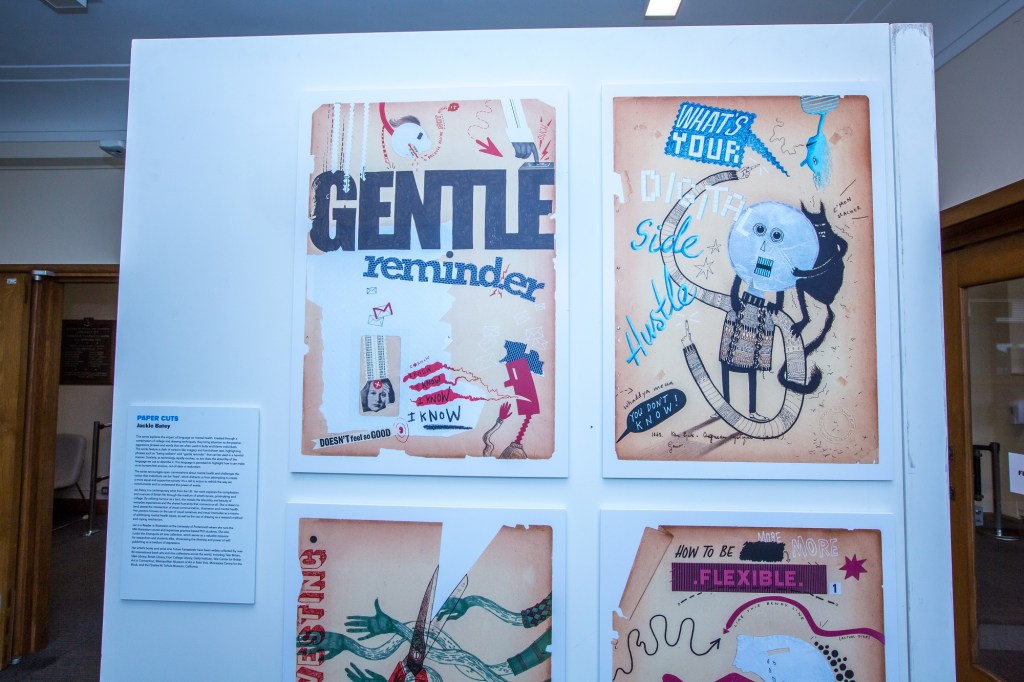
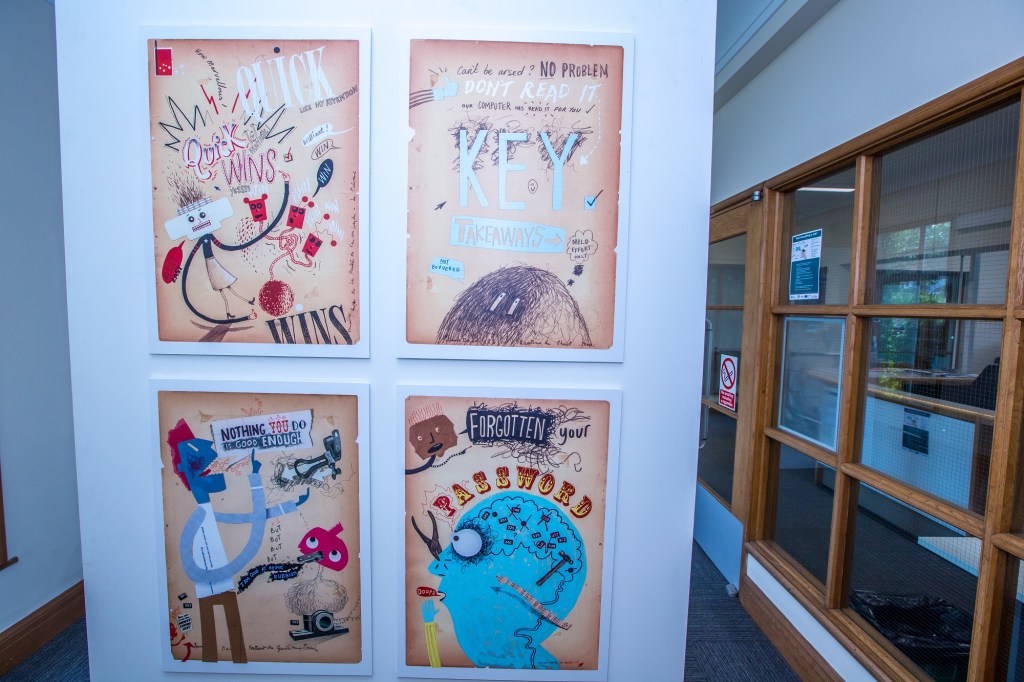
Paper Cuts by Jac Batey
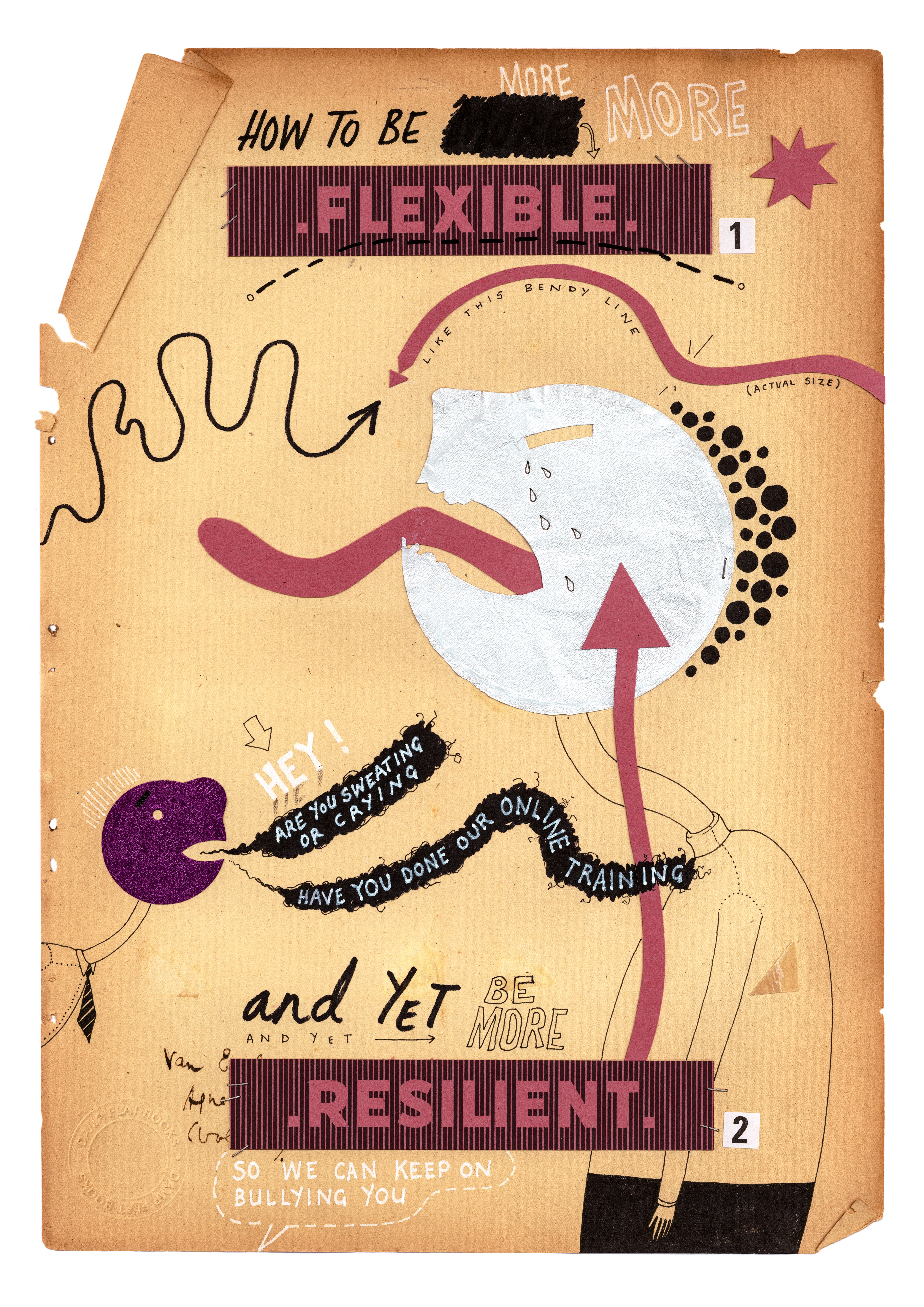
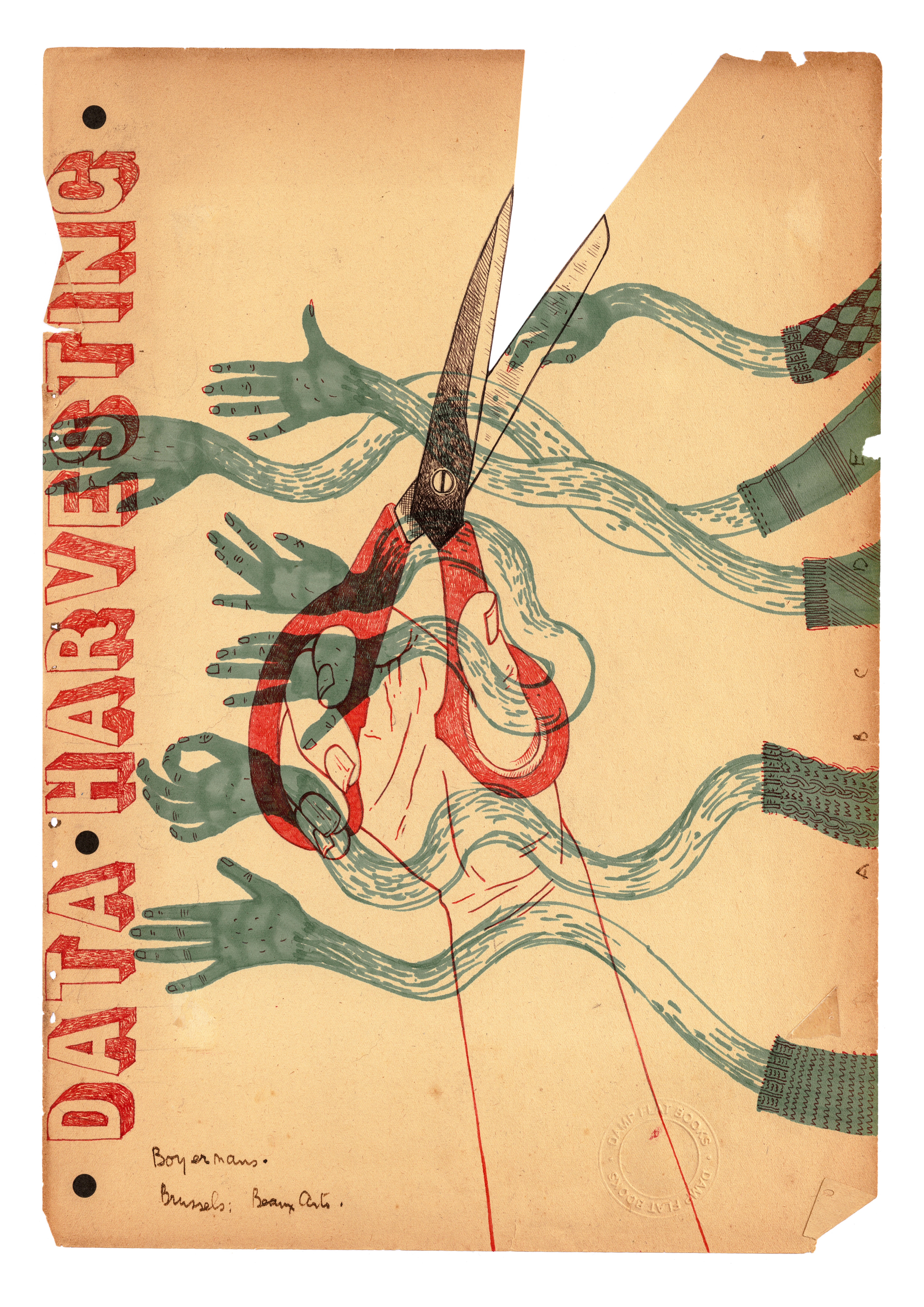
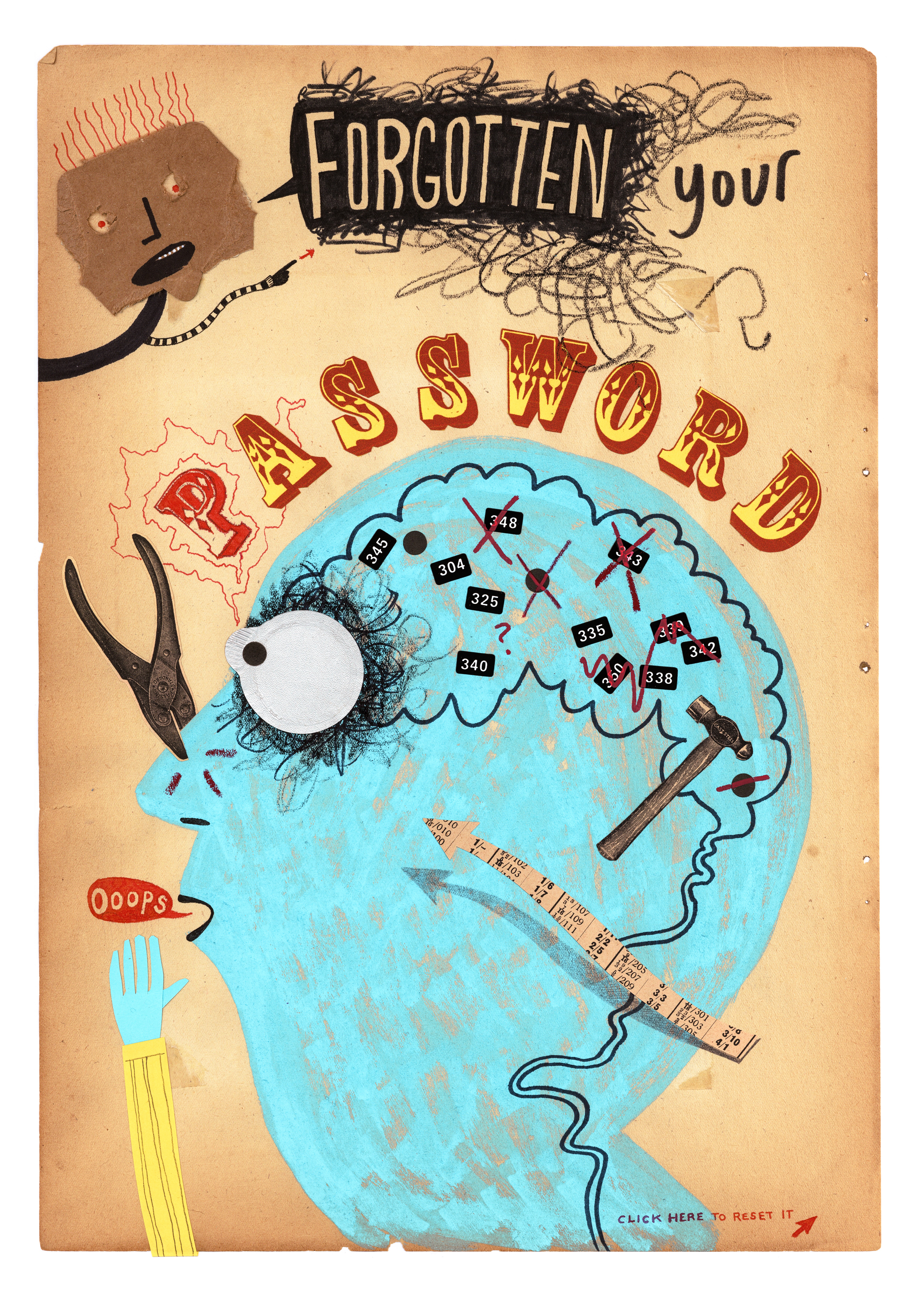
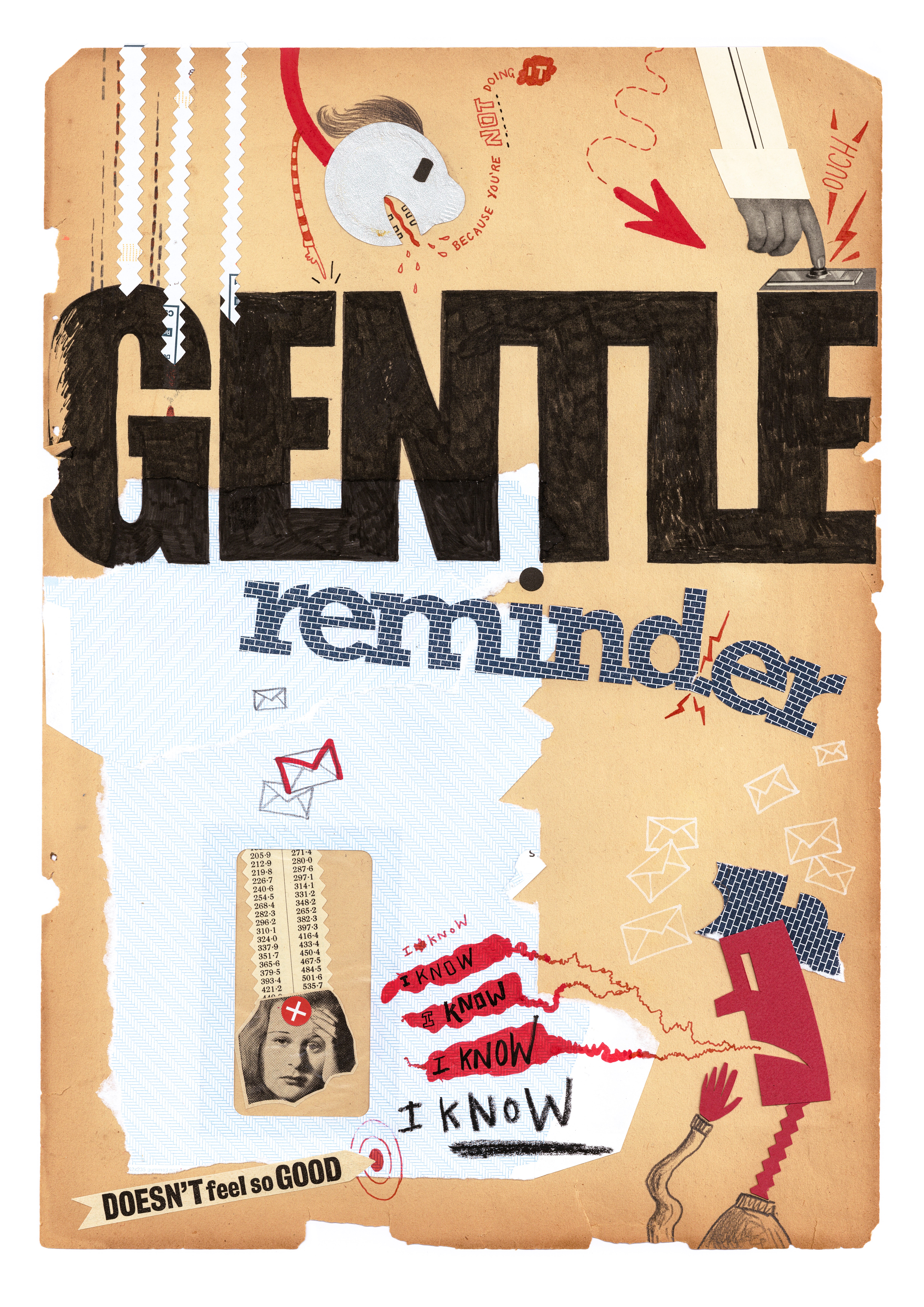
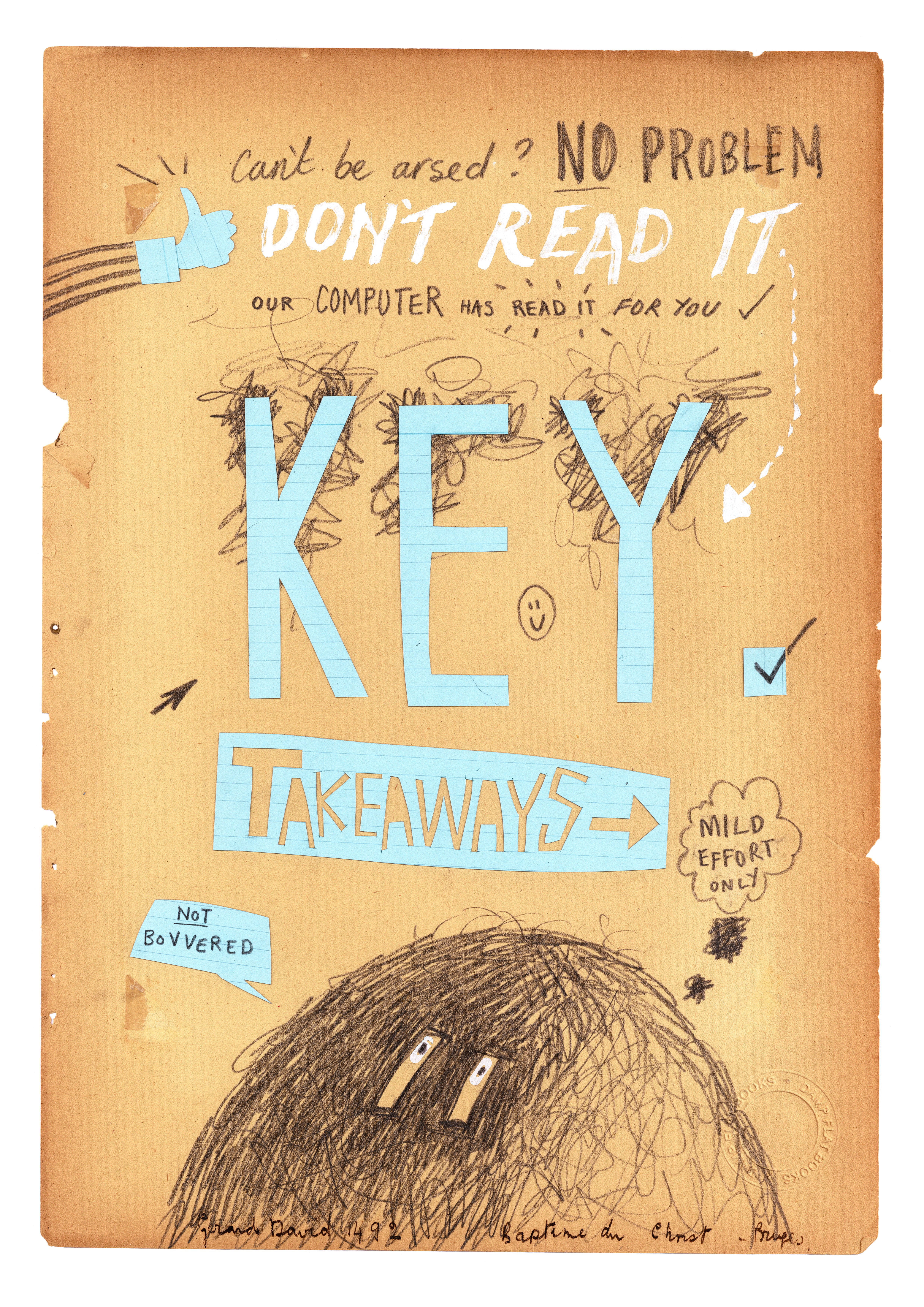
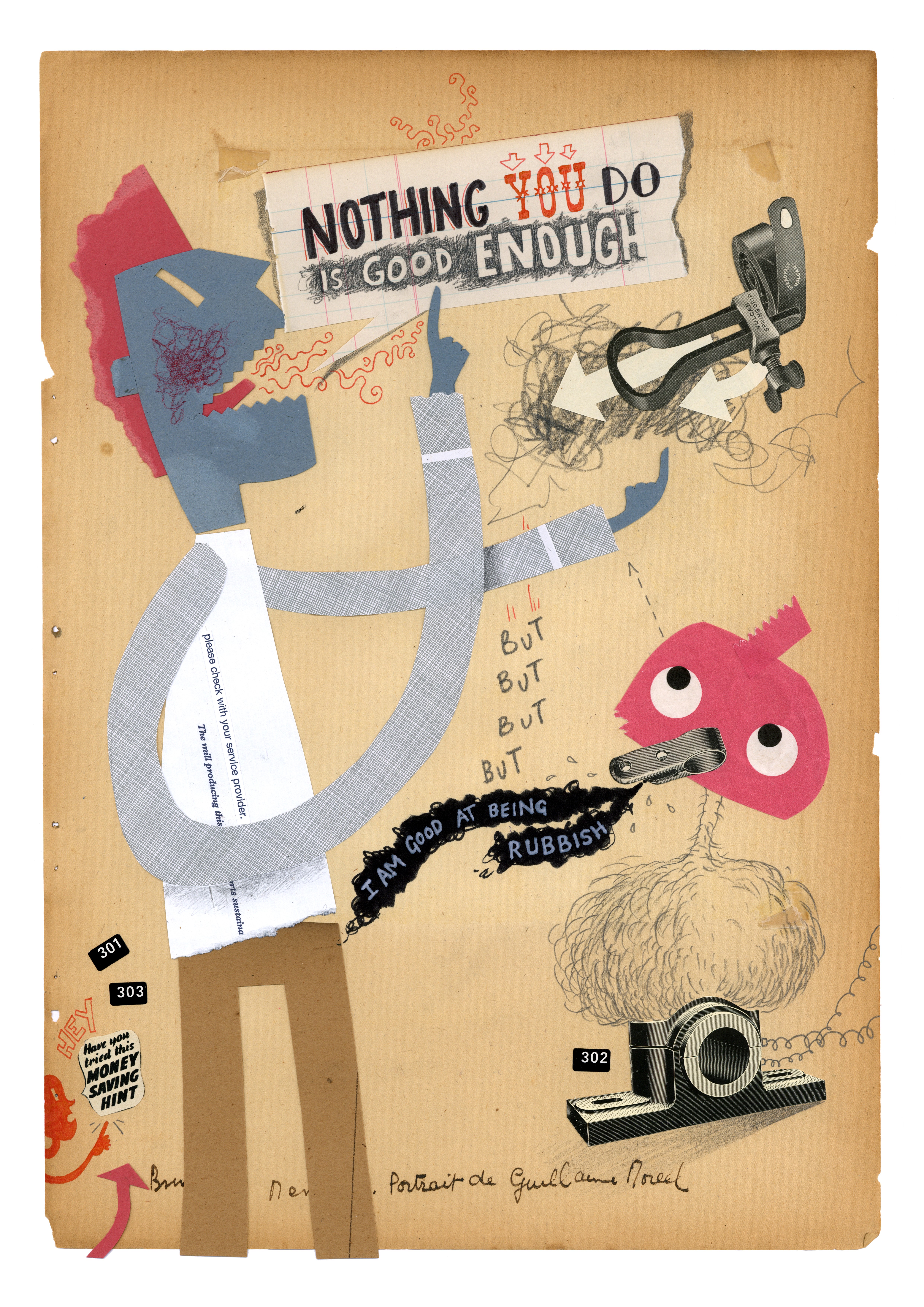
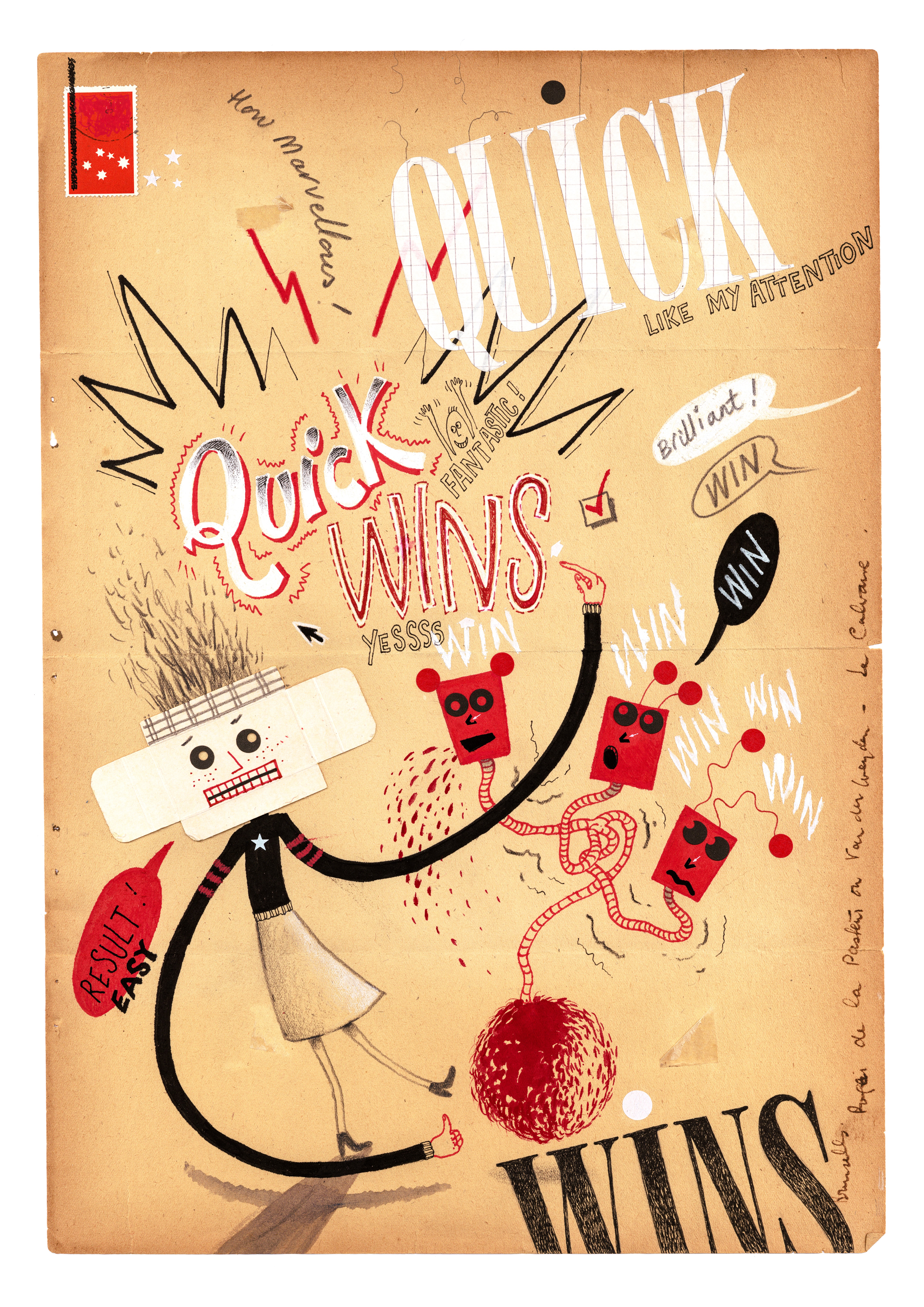
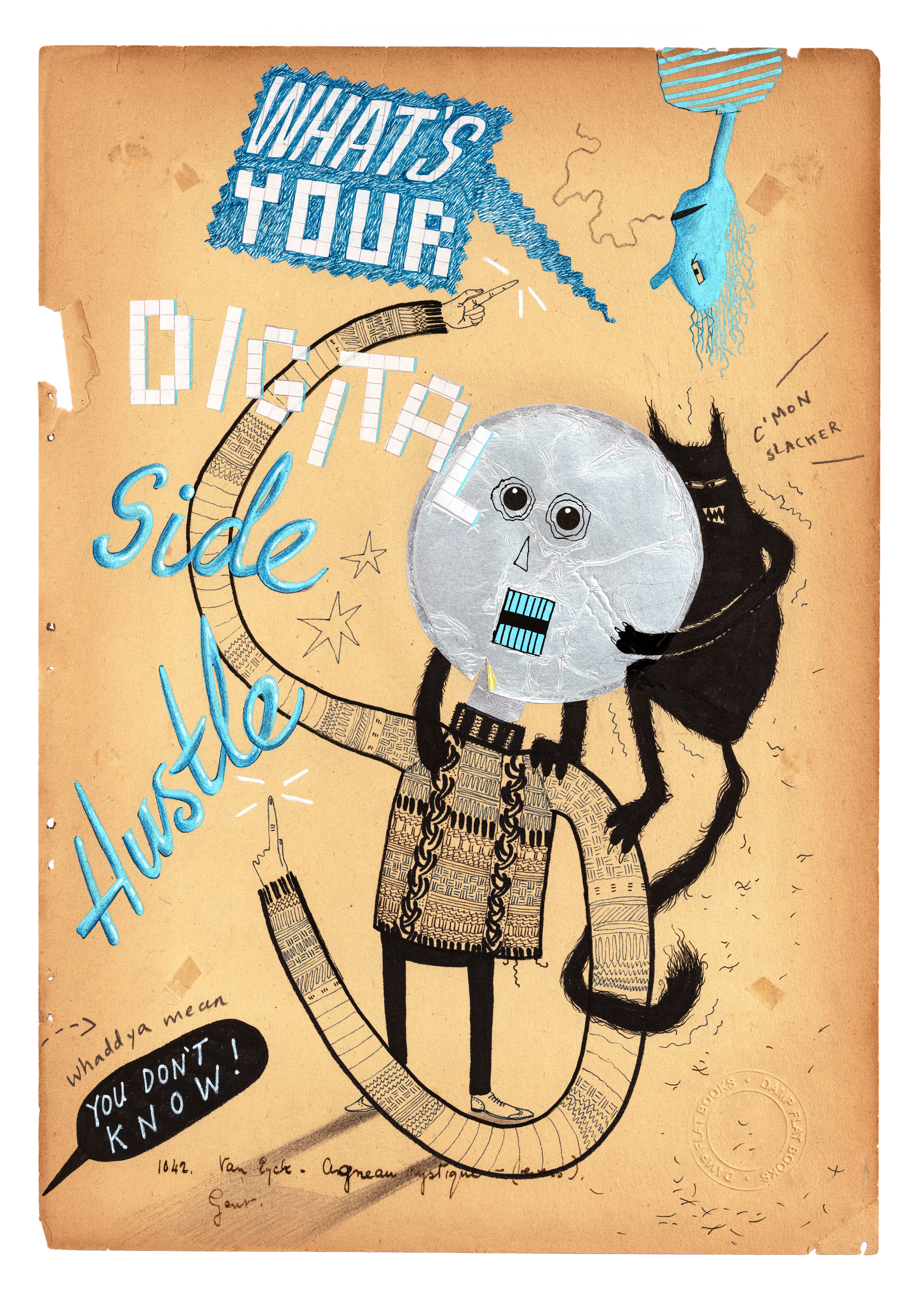
This series explores the impact of language on mental health. Created through a combination of collage and drawing techniques, they bring attention to the passive-aggressive phrases and words that are often used to bully and blame individuals. The works feature a clash of cartoon-like imagery and hand-drawn text, highlighting phrases such as “being resilient” and “gentle reminder” that can be used in a harmful manner. Similarly, as technology rapidly evolves, so too does the absurdity of the language we use to describe it. This language is parodied to highlight how it can make us as humans feel anxious, out-of-date or redundant.
The series encourages open conversations about mental health and challenges the notion that individuals can be ‘fixed’, which distracts us from attempting to create a more equal and supportive society. It’s a call to action to rethink the way we communicate and to understand the power of words.
Jac Batey is a contemporary artist from the UK. Her work explores the complexities and nuances of British life through the medium of artist’s books, printmaking and collage. By utilizing humour as a tool, she reveals the absurdity and beauty of everyday experiences and the shared humanity that connects us all. She is drawn to (and draws) the intersection of visual communication, illustration and mental health. Her practice focuses on the use of visual narratives and visual interludes as a means of addressing mental health issues, as well as the use of drawing as a research method and coping mechanism.
Jac is a Reader in Illustration at the University of Portsmouth where she runs the MA illustration course and supervises practice-based PhD students. She also curates the Zineopolis art zine collection, which serves as a valuable resource for researchers and students alike, showcasing the diversity and power of selfpublishing as a medium of expression.
Her artist’s books and serial zine Future Fantasteek! have been widely collected by over 80 international book arts and zine collections across the world, including Tate Britain, V&A Library, British Library, Eton College Library, Getty Institute, Yale Center for British Art in Connecticut, Metropolitan Museum of Art in New York, Minnesota Centre for the Book, and the Charles M. Schulz Museum, California.
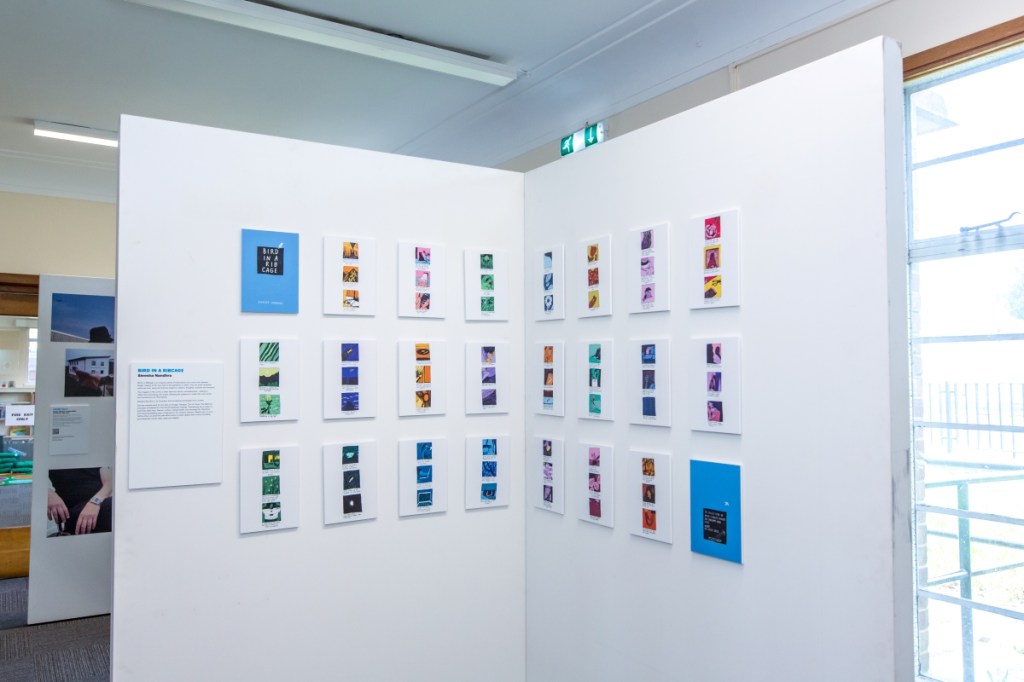
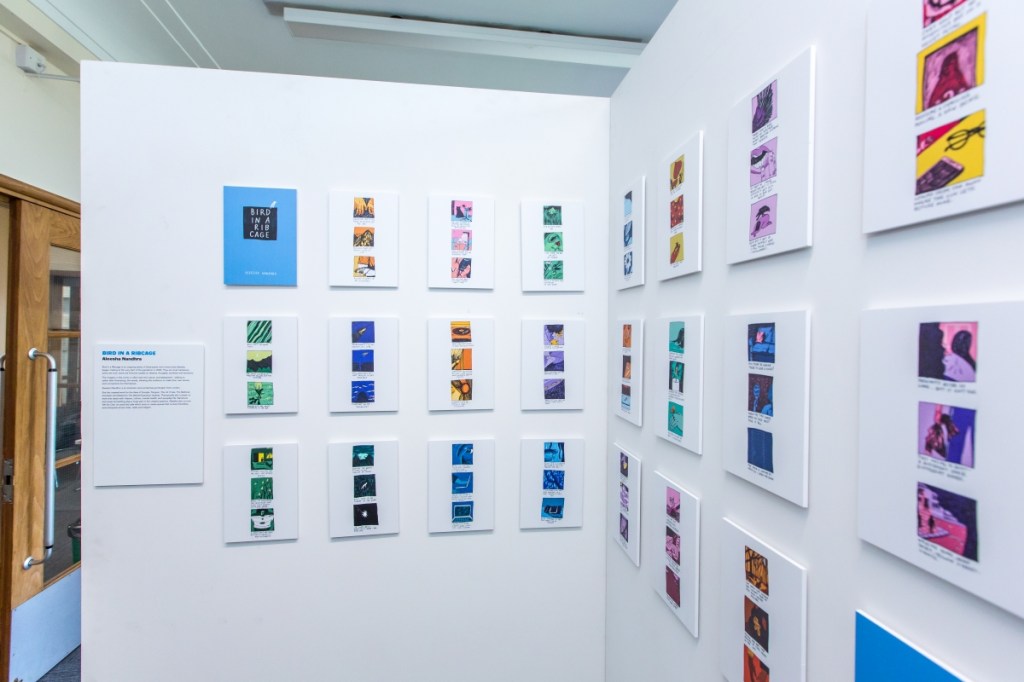
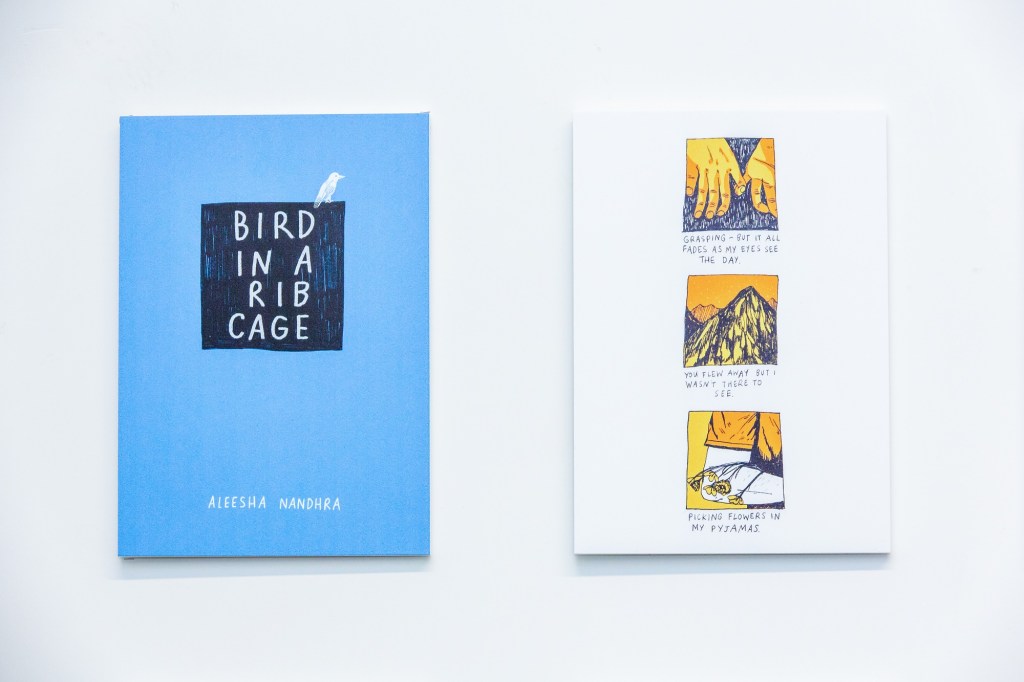
Bird in a Ribcage by Aleesha Nandhra
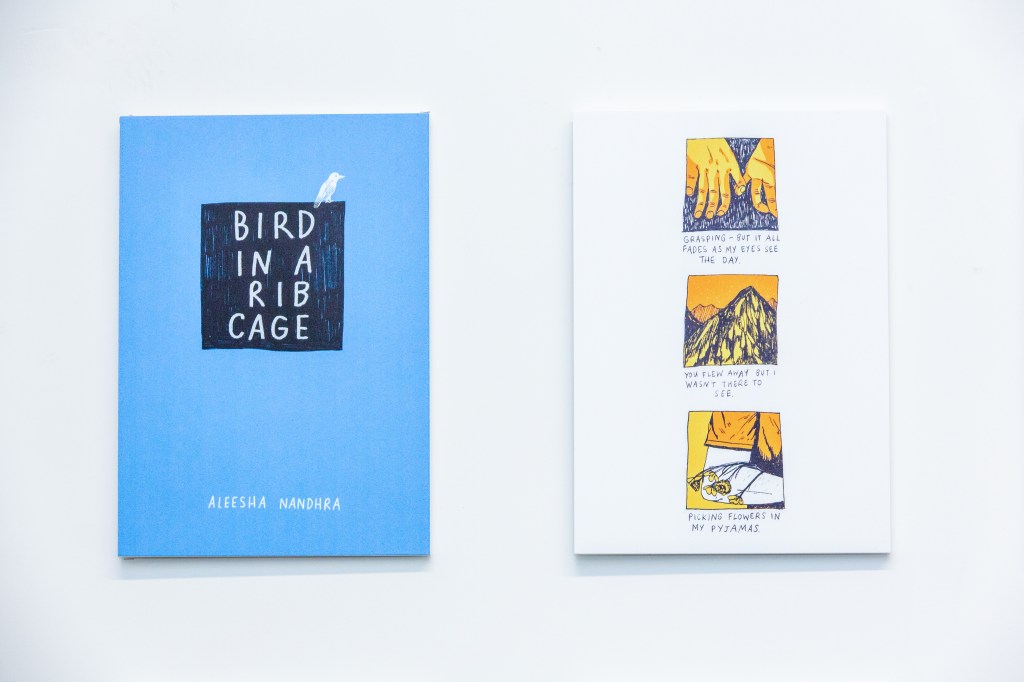
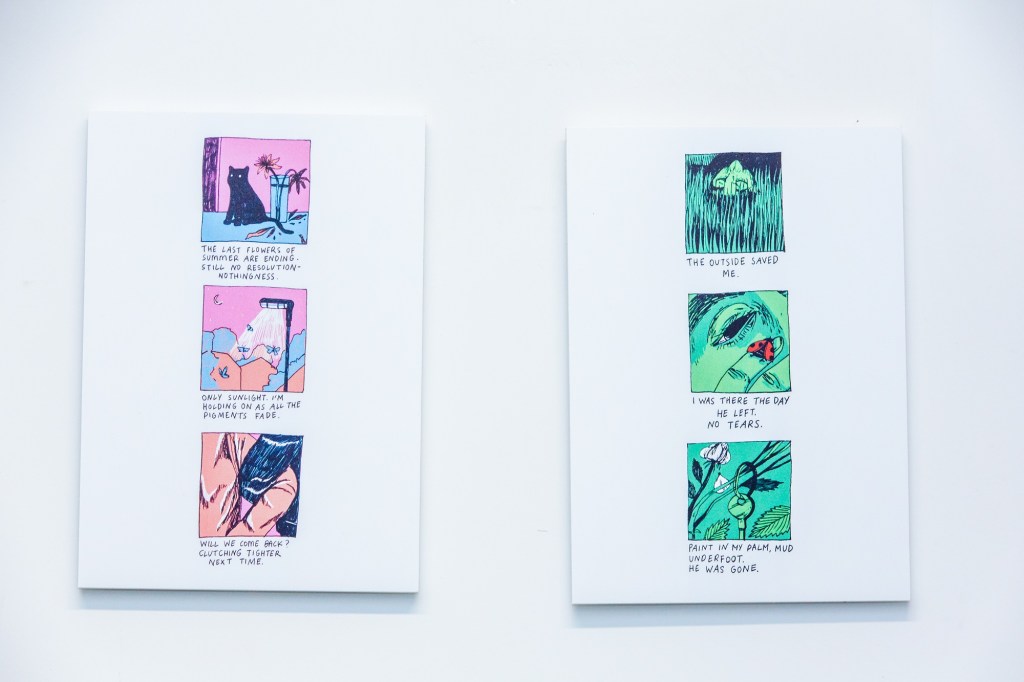
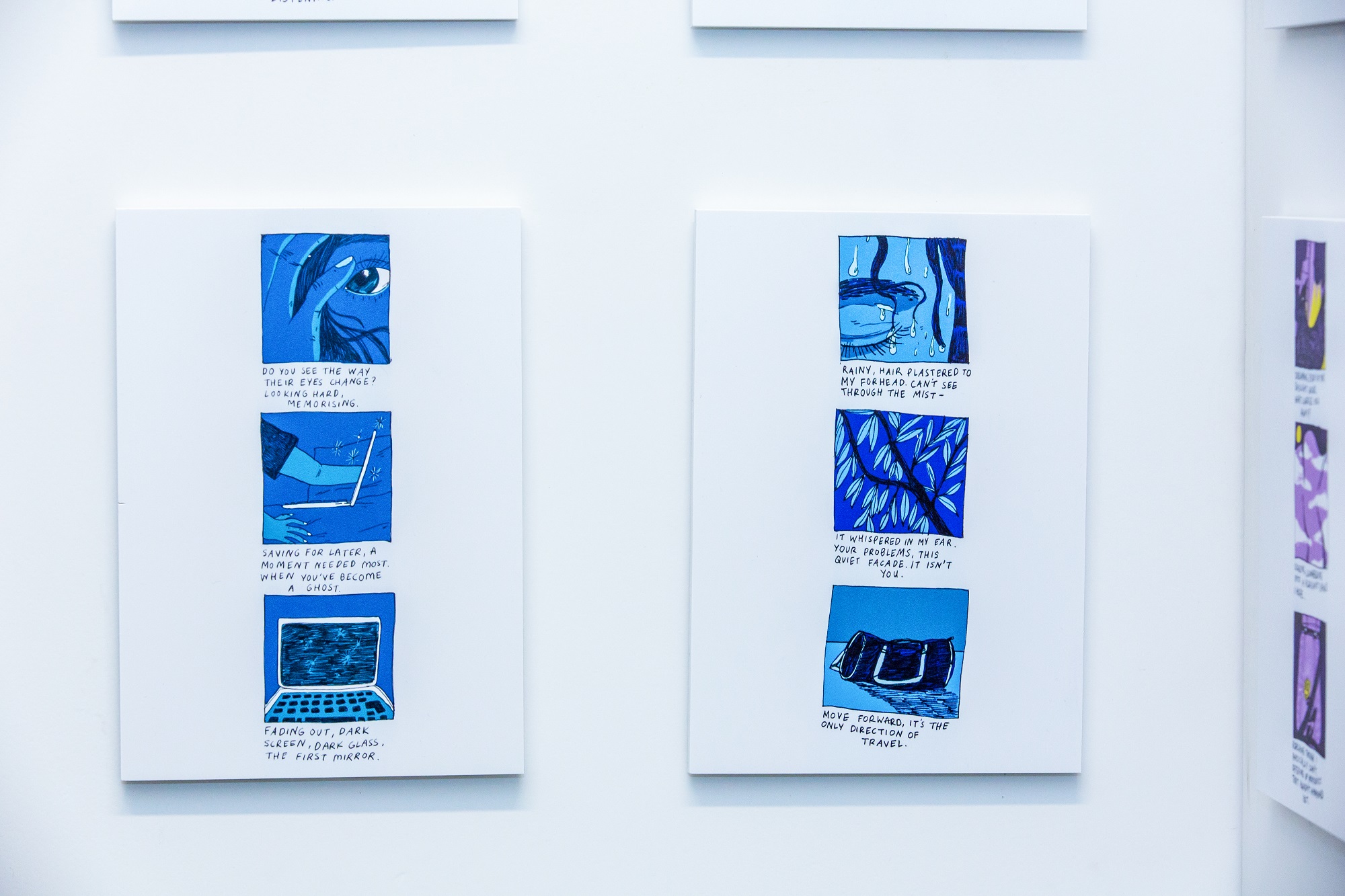
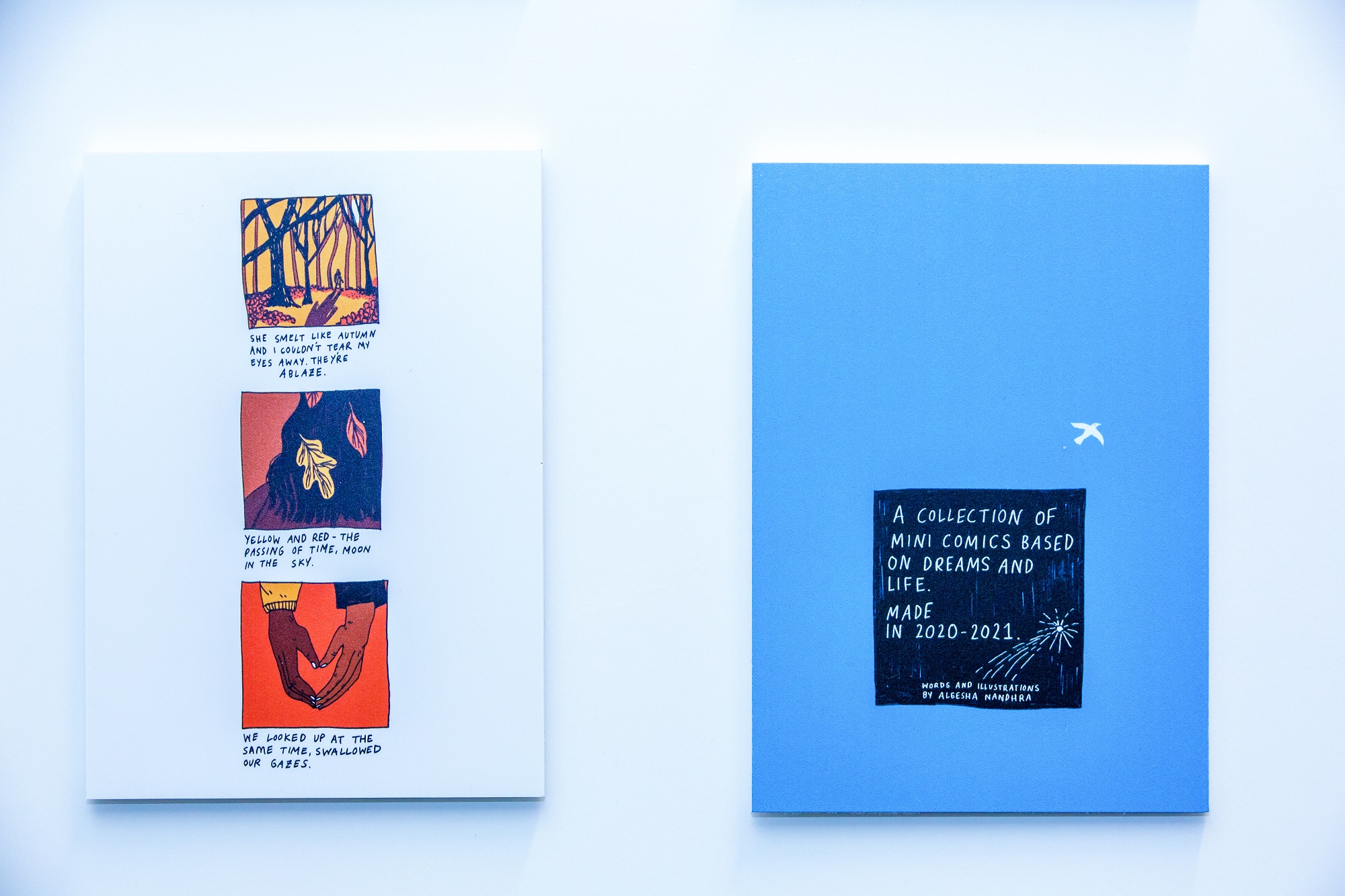
Bird In a Ribcage is an ongoing series of three-panel mini-comics that Aleesha began making at the very start of the pandemic in 2020. They are small narratives; some are true, some are fictional, based on dreams, thoughts, anxieties and emotions.
The imagery in the comic is often tied into nature, and abstracted – adding to, rather than illustrating, the words, allowing the audience to make their own stories and connections for themselves.
Aleesha Nandhra is an illustrator and sometimes printmaker from London.
She has created work for the likes of Google, Penguin, The LA Times, The Barbican and been shortlisted for The World Illustration Awards.
Thematically she is drawn to work that deals with: Nature, culture, mental health, and everyday life. Narratives and visual storytelling play a huge part in her creative practice. Aleesha also co-runs ‘Mil Ke Chai’ an artist-led cafe which aims to create spaces that nurture friendship and enterprise across class, caste and religion.
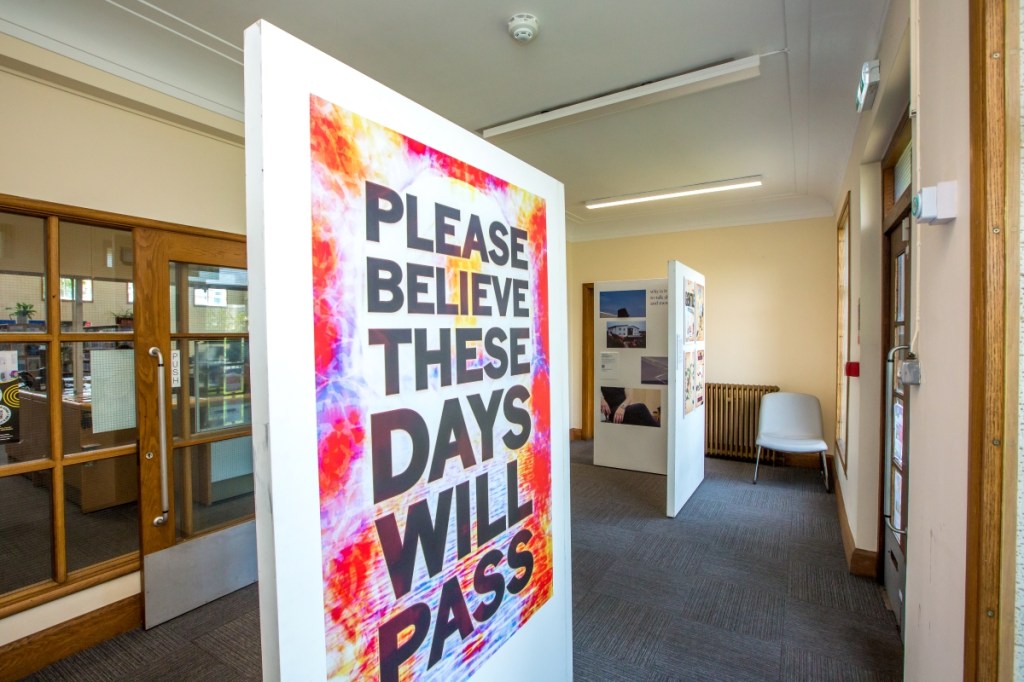
Please Believe These Days Will Pass by Mark Titchner
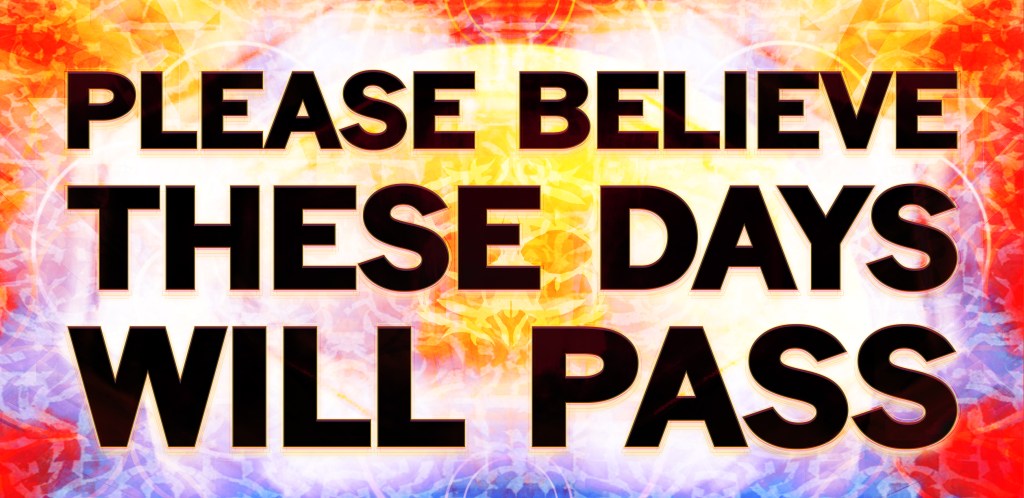
This artwork appeared on posters and billboards across the country during the early
stages of Lock-down and was widely shared on social media and by news outlets throughout the first stages of the COVID pandemic.
Talking about the piece in 2020 Titchner said:
“When the words ‘Please Believe These Days Will Pass’ first came to me in 2012 who could imagine the ‘days’ that we find ourselves in now? My thinking at the time was a message to help one endure through difficult times, but also a reminder to cherish what is good in the here and now. It’s what is good, such as the bravery of those working so hard on our behalf in the NHS or the safety of our loved ones, that will get us through when the endurance runs low.”
While this work came to prominence during the days of the pandemic, its words still continue to resonate with current events and the terrible difficulties faced by so many today. It reminds us how the need for hope never goes away.
Mark Titchner’s work involves an exploration of the tensions between the different belief systems that inform our society, be they religious, scientific or political. Focusing on an exploration of words and language, in recent years much of his production has been based in the public realm both in the UK and internationally. These public works have often been created from extended group activities, working particularly with young people and in mental health settings.
He was nominated for the Turner Prize in 2006, participated in the Venice Biennale in 2007 and was Artist in Residence at the Art Gallery of Ontario, Toronto in 2012. In 2018 he completed a major new permanent public work, ‘Me, Here Now’ which is installed at London Bridge Station. His work is held in numerous Public Collections including Arts Council, Tate, British Council, Government Art Collection, South London Gallery, Manchester Art Gallery, Birmingham Museum and Art Gallery and Guildhall Art Gallery.
Solo exhibitions include ‘It’s the hope that keeps us here’, OOF Gallery, London (2022), ’Some questions about us’, Firstsite, Colchester (2019), ’Mark Titchner’, CGP/Dilston Grove, London (2014), ’Please Believe These Days Will Pass’, The Young gallery at The Art Gallery of Ontario, Canada (2012), ‘Be true to your oblivion’, New Art Gallery, Walsall (2011), The Age of Happiness, Hellenic American Union, Athens (2009) and ‘Run Black River, Run’, BALTIC, Gateshead, (2008).
Born in Luton in 1973, Mark lives and works in London.
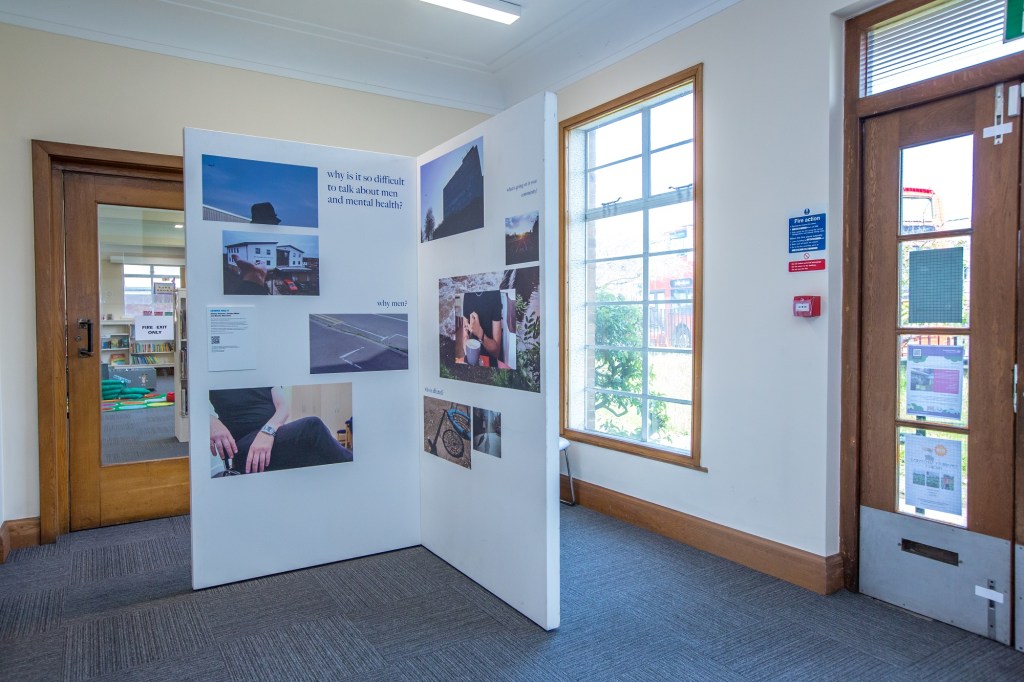
Legend Has It, by Ashley Holmes, Tanaka Mishi and Becky Warnock
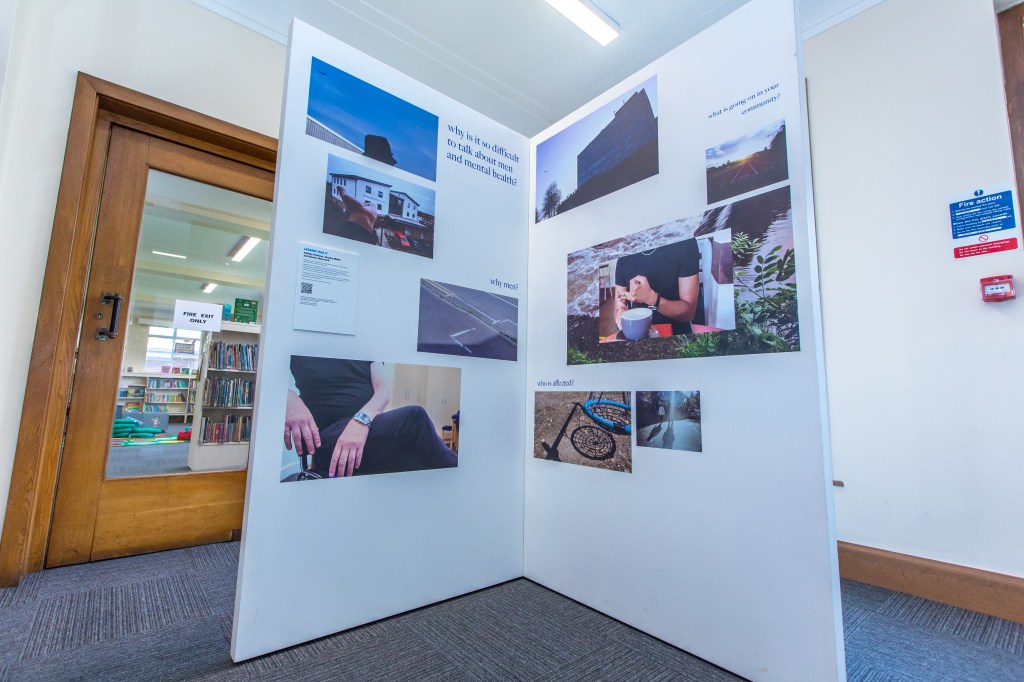
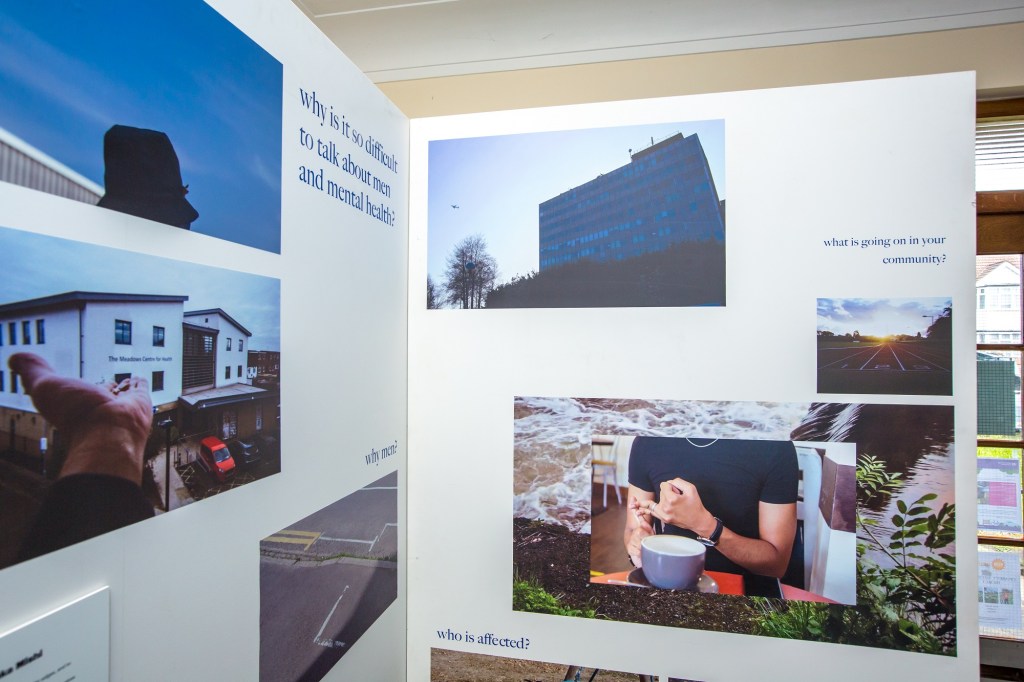
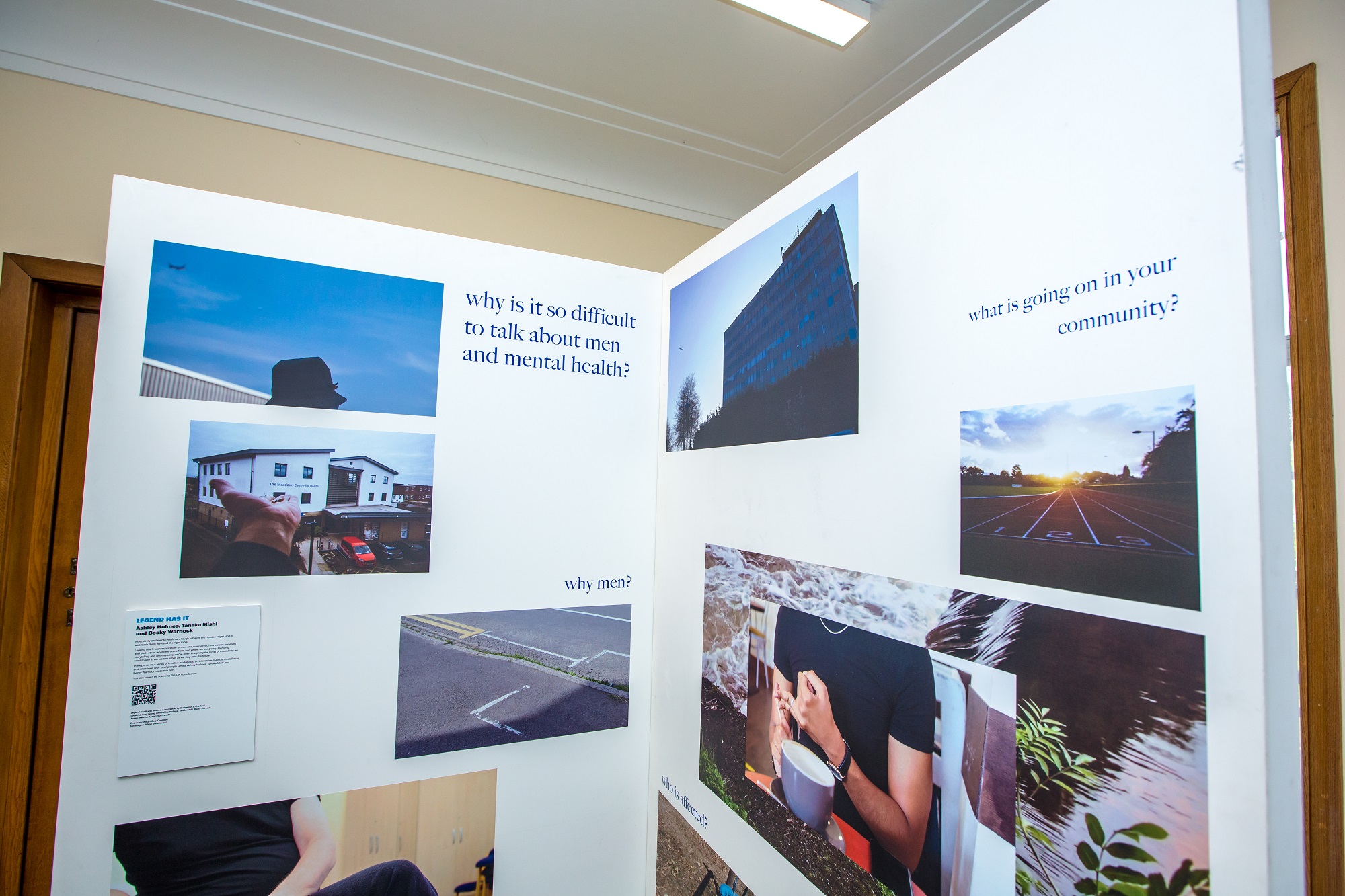
Blending storytelling and photography, we’ve been imagining the kinds of masculinity we want to see in our communities as we step into the future.
In response to a series of creative workshops, an interactive public art installation and interviews with local people, artists Ashley Holmes, Tanaka Mishi and Becky Warnock made this film.
Take Good Care of Yourself Zine
The zine ‘Take Good Care of Yourself’ has been created by local people at a series of workshops. Please take a zine when you visit the exhibition!
 CPP Hounslow